
Quotations
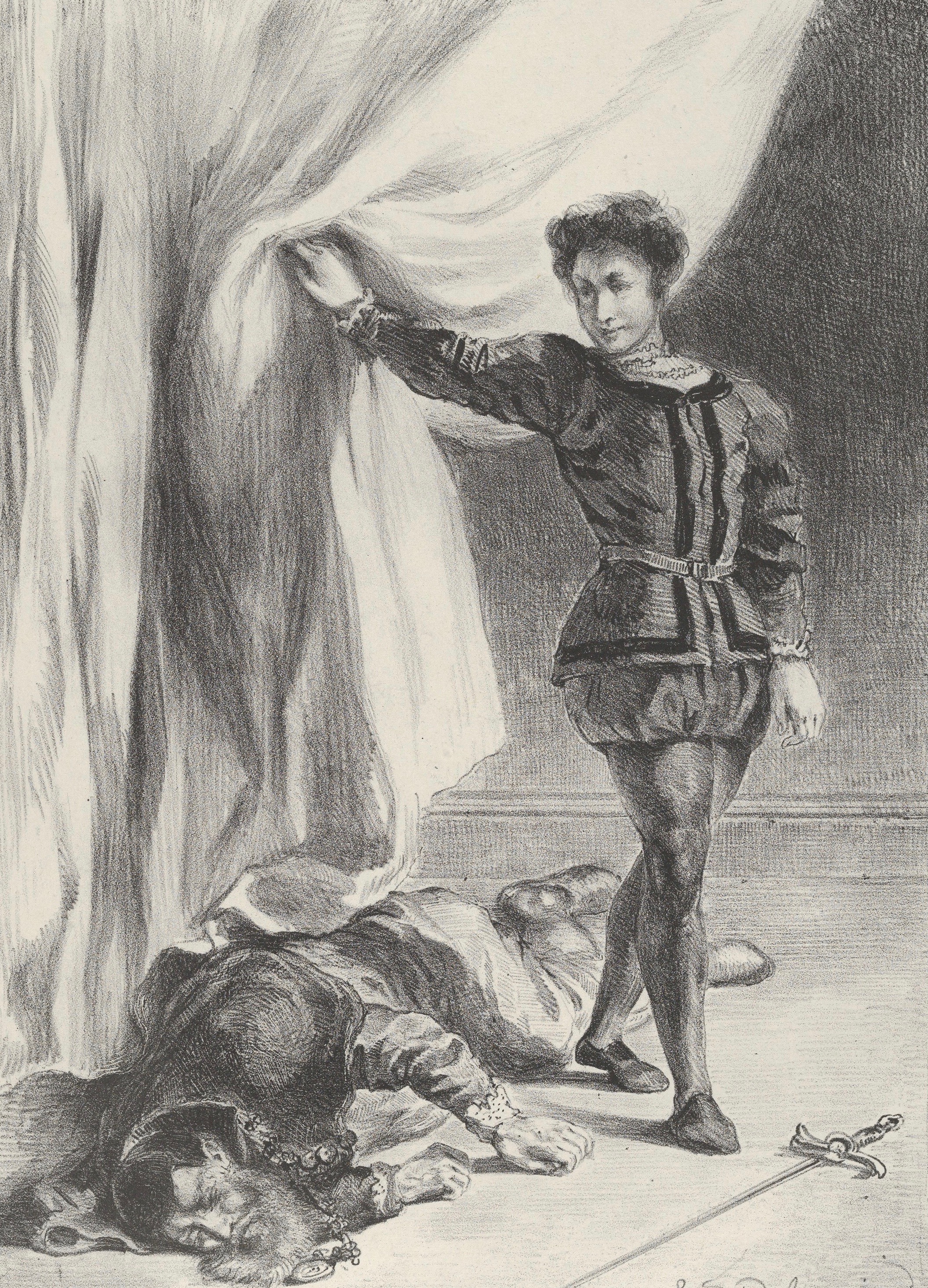
"To be, or not to be, that is the question:
Whether 'tis nobler in the mind to suffer
The slings and arrows of outrageous fortune,
Or to take arms against a sea of troubles,
And by opposing end them. To die, to sleep --
No more. And by a sleep to say we end
The heartache, and the thousand natural shocks that Flesh is heir to. 'Tis a consummation
Devoutly to be wished. To die, to sleep --
To sleep, perchance to dream. Ay, there's the rub.
For in that sleep of death what dreams may come
When we have shuffled off this mortal coil
Must give us pause.
Hamlet, Act 3, Scene 1
Analysis
Here are the most famous words in the play, and likely in all of western literature. Many have taken the speech to be a contemplation of suicide. "To be or not to be" -- that is, "to live or to kill myself". There are some features of the speech that seem to shore this reading up. The speech does suggest that death is a highly attractive destination, and that the only thing that keeps us miserable mortals from seeking it out is the fear of "what dreams may come" in the hereafter. But certainly the speech is more than a simple suicide note. If he is thinking about suicide, he is most definitely contemplating it in the abstract, as a topic of interest more than as an actual option for his own life.
"Listen to many, speak to a few."
Polonious, Act 1, Scene 3
Analysis
Laertes, Ophelia, and Polonious are gathered in their home. Laertes and Ophelia were discussing her relations with Hamlet when Polonious interrupts and switches the focus from Ophelia to Laertes. Polonious offers Laertes advice toward his actions while away in Paris. He tells his son to have caution in his words while away, and instead of constantly talking, to listen to many people and choose wisely who to engage in conversation with.
"There is nothing either good or bad, but thinking makes it so."
Hamlet, Act 2, Scene 2
Analysis
This quote is given when Hamelt is mocking Rosencrantz and Guildenstern. In it's literal context, Hamlet is quipping that Denmark is a prison because he thinks it so. This is not without reason, Hamlet is stuck in a terrible situation in which his father has been murdered, and his mother may as well have been taken from him by his uncle. His two old acquaintances have been sent by the king to spy on him and he knows it. His lover has begun to shut him out and ignore him. Hamlet wishes he could take all of this information and simply ignore it or acquire a blissful ignorance of it. He is also subtly throwing hints in the face of his former friends that only he understands, toying with them for his own pleasure. This quote makes a lot of sense in context, but it has great universal truth to it as well. We do not look at things and see them as they are, we see them as we are. There exists no definitive it, just our perception of it.